Professional Land Clearing Services in Maltby, WA & Surrounding Areas
Professional Land clearing is a specialized service essential for property development, fire prevention, and landscape management. In Maltby, WA, and surrounding communities like Duvall, Redmond, and Kirkland, understanding the process is key to a successful project. Whether you're preparing a site for new construction, expanding your yard, or creating a firebreak, professional land clearing services are designed to manage the process safely and efficiently. This guide outlines what you can expect from a professional land clearing company, covering the key phases from initial consultation to final cleanup.
What Is Professional Land Clearing and Why Is It Necessary in the Maltby Area?
Land clearing involves the systematic removal of trees, shrubs, stumps, and other vegetation from a designated area. This process is crucial for various purposes, including preparing a lot for construction, creating a clear space for new landscaping, or mitigating fire risks in heavily wooded regions. In a place like Maltby, where properties often have dense forestation, professional services are essential to ensure the job is done safely and in compliance with local regulations. The varying terrain and vegetation types in nearby towns like Redmond and Duvall also make professional expertise invaluable.
What Happens During the Initial Consultation and Site Assessment?
A professional land clearing project begins with a detailed consultation. A specialist will visit your property to assess the site's size, topography, and vegetation type. They will discuss your project goals, whether it’s for a new home in Kirkland or a trail on your Duvall property. During this phase, the team will identify any potential challenges, such as steep slopes, wetland areas, or protected trees. This assessment is critical for creating a customized plan and providing an accurate, transparent quote.
How Are Unwanted Trees and Vegetation Removed?
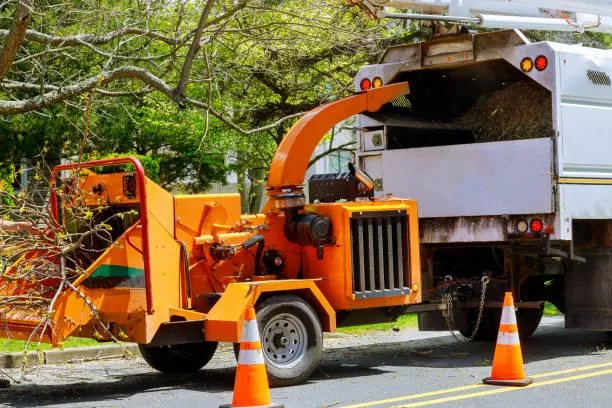
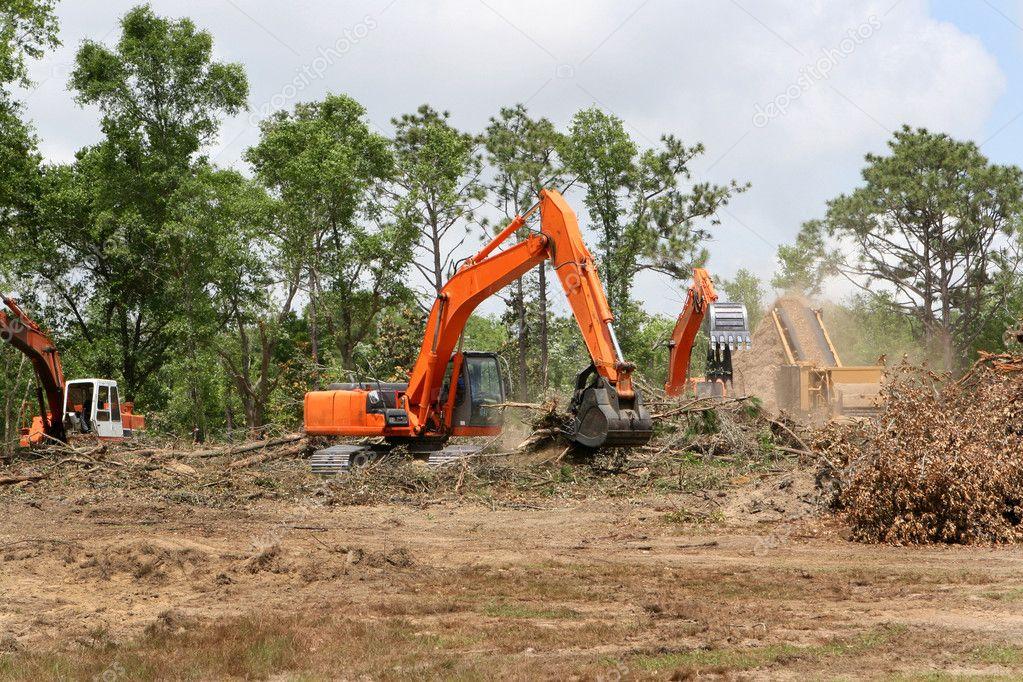
The removal phase is the core of the land clearing process. Depending on the size and type of vegetation, professionals use a variety of specialized equipment. Large trees are typically felled and cut into manageable sections. Smaller trees and brush are often handled with forestry mulching, which grinds the vegetation into a fine mulch. This method is particularly popular for properties near Redmond and other areas where homeowners want to retain the natural aesthetic while clearing brush. Using the right machinery ensures efficiency and minimizes disruption to the surrounding landscape.
What Is the Process for Stump Grinding and Debris Management?
Once the trees are removed, the remaining stumps are addressed. Stump grinding is the most common method, as it effectively grinds the stump down to below ground level. This process eliminates trip hazards, prevents regrowth, and allows for new planting or construction on the site. All removed vegetation and wood debris are managed professionally. This can involve hauling it away, chipping it into mulch for use on-site, or burning it in a controlled manner, adhering to all local burning regulations in Maltby and surrounding communities.
How Does a Land Clearing Company Handle Final Cleanup and Site Preparation?
The final phase of the service focuses on leaving the site clean and ready for your next project. After all debris is removed, the team will perform a final grade of the land, smoothing out any uneven areas. This ensures the site is perfectly prepared for whatever comes next, whether it's laying a foundation for a new home in Kirkland or planting a new garden in Redmond. The goal is to provide a blank canvas, leaving your property in a state that is both clean and functional.
What Are the Benefits of Hiring a Professional Land Clearing Service?
Hiring a professional service offers numerous advantages. It ensures the work is done safely, as professionals are trained to handle heavy machinery and hazardous conditions. They also possess the expertise to work efficiently, saving you time and effort. Additionally, a professional company will have a thorough understanding of local permits and environmental regulations in areas like Maltby, Duvall, and Redmond, ensuring your project remains compliant. This allows you to focus on the next phase of your project with confidence, knowing the groundwork has been laid correctly.
Do I need a permit for Professional land clearing in Maltby or nearby cities?
Yes, in many cases, a permit is required for Professional land clearing, especially if it involves removing a significant number of trees or protected species. The regulations vary between cities like Maltby, Redmond, and Kirkland. A professional land clearing company will have a deep understanding of these local regulations and can guide you through the permitting process, ensuring your project meets all legal requirements.
How does a Professional land clearing service manage environmental impact?
Professional land clearing companies are committed to minimizing environmental impact. They employ techniques like forestry mulching, which returns nutrients to the soil and prevents erosion. They also carefully identify and work around sensitive areas, such as wetlands and streams, to protect local ecosystems. Their knowledge of local regulations ensures that the project is not only safe for your property but also for the environment.
How can Professional land clearing help with fire prevention?
Professional Land clearing is a critical measure for creating a defensible space around your home, especially in heavily wooded areas like those found in Duvall and Maltby. By removing dense brush, dead trees, and ground vegetation, a clear buffer is created that can significantly slow down or stop a wildfire. This reduces the fuel load, protecting your property and providing a safer environment for firefighters to work.
Final Thoughts
Professional Land clearing is a significant undertaking that provides a vital foundation for property development and safety in the Maltby area. By entrusting your project to a professional service, you can be confident that the work will be completed safely, efficiently, and in full compliance with local regulations. The right partner will not only prepare your land for its next purpose but also leave the site clean and ready, giving you peace of mind and a smooth transition to your next big project.
What is the difference between land clearing and lot clearing?
While often used interchangeably, "land clearing" typically refers to a large-scale removal of vegetation over a significant area, often for new development or firebreak creation. "Lot clearing" usually applies to smaller residential plots, such as preparing a single lot for a home in Kirkland. The principles are similar, but the scale and equipment may differ.
How long does a land clearing project typically take?
The duration of a land clearing project depends on several factors, including the size of the area, the density of vegetation, the type of equipment needed, and the complexity of the terrain. A small residential lot could be cleared in a day or two, while a larger, more complex project might take a week or longer. A professional company will provide a clear timeline during the initial consultation.
Can land clearing improve my property's value?
Yes, clearing land can significantly increase a property's value. A cleared lot is more appealing to potential buyers and is ready for immediate development, which can attract a higher price. It also makes the property appear larger, more usable, and can improve overall curb appeal, particularly in dense, wooded areas like Woodinville.
What happens to the wood and other debris after the clearing is complete?
Professionals have several options for managing debris. The most common is chipping the wood and brush into mulch, which can be left on-site to enrich the soil and prevent erosion. Larger logs can be cut into firewood or hauled away for off-site disposal. Controlled burning is another option, though it requires adherence to local burning regulations and permits in communities like Duvall and Redmond.
Is there a specific time of year that is best for land clearing?
While land clearing can be done year-round, the ideal time often depends on the specific project and local climate conditions. The drier summer and fall months can be more favorable for machinery access and soil stability. However, winter is also a good time as the ground is frozen, which can minimize impact. A professional will be able to advise on the best time to complete your project to ensure the most efficient and least disruptive process.