Autumn Tree Maintenance Tips for Snohomish, WA & Surrounding Areas
Homeowners in Snohomish, WA, and surrounding communities such as Everett, Lake Stevens, Marysville, Monroe, Mill Creek, Bothell, and Arlington know that autumn is a critical season for tree care. Proper maintenance during the fall helps prepare trees for winter storms, prevents hazards, and promotes healthy growth in the spring. With the right seasonal upkeep, property owners in Snohomish and nearby towns can keep their landscapes safe, beautiful, and thriving.
Why Is Autumn Tree Care Important for Snohomish Homeowners?
Fall is the best time to assess tree health before the harsh winter months. In Snohomish, Everett, and Monroe, cooler weather slows tree growth, making it easier to prune, treat diseases, and strengthen root systems for the coming season.
What Should Homeowners Look for When Inspecting Trees in the Fall?
During autumn, property owners in Lake Stevens, Mill Creek, and Marysville should carefully inspect their trees for dead or broken branches that may fall during storms. They should also look for signs of disease, fungus, or pest infestation, along with root damage or soil erosion around tree bases. Identifying these issues early helps prevent larger problems in the winter.
How Does Pruning Help Trees Prepare for Winter?
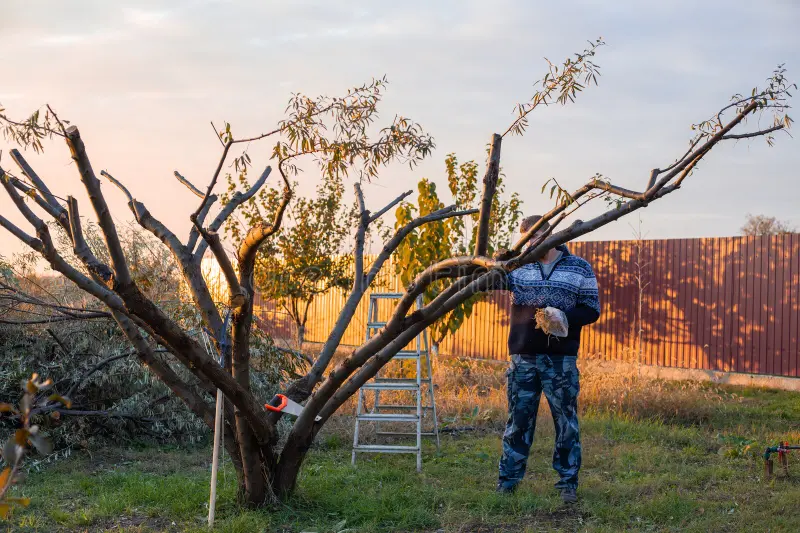
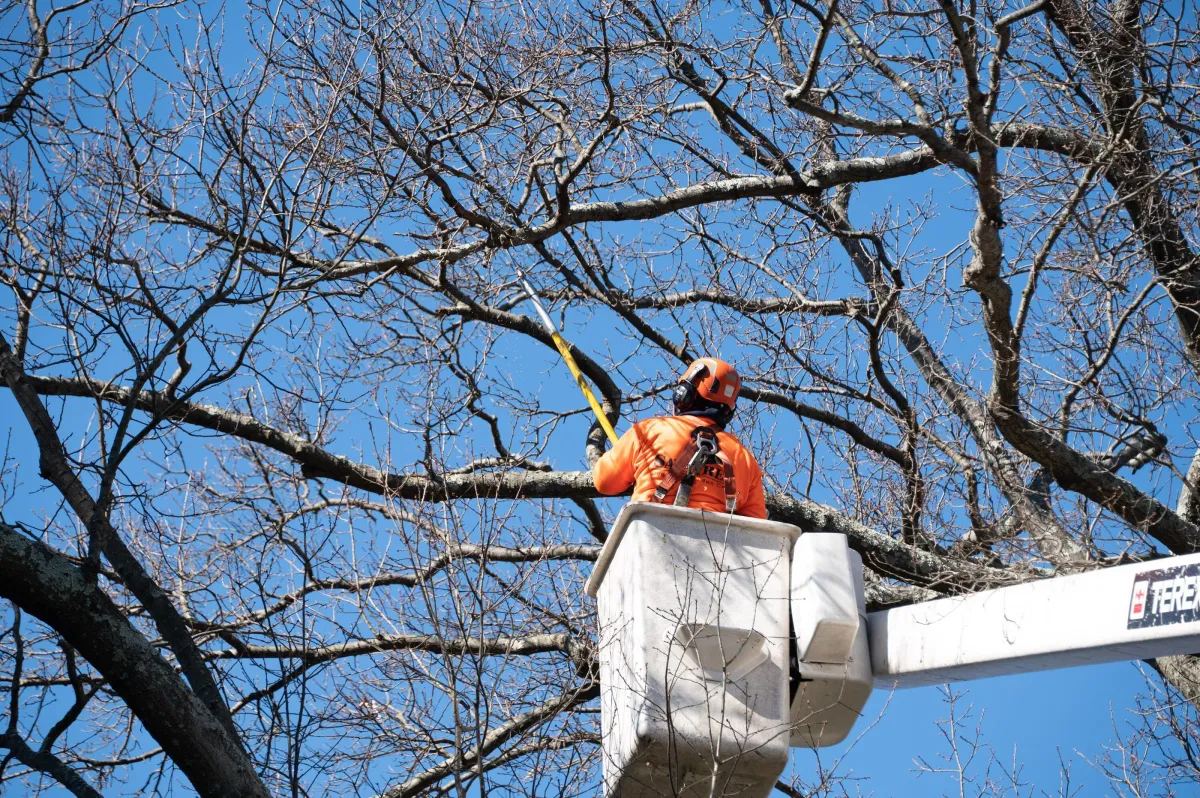
Pruning in autumn removes weak or damaged limbs and encourages stronger, healthier growth. Certified arborists in Snohomish and Bothell often recommend trimming branches that extend over homes, land driveways, or power lines. This not only reduces storm risks but also improves the overall structure of the tree.
Should Homeowners Fertilize Trees in Autumn?
Yes. Applying fertilizer in fall provides trees with the nutrients they need to store energy during the dormant winter months. Homeowners in Arlington, Everett, and nearby areas often rely on deep-root fertilization to strengthen root systems, improve resilience, and promote healthier growth once spring arrives.
What Role Does Mulching Play in Tree Health?
Mulching is a simple but effective way to protect trees through the cold season. In Snohomish, Mill Creek, and Monroe, spreading mulch around tree bases helps regulate soil temperature and retain moisture. It also shields roots from frost while reducing weed competition, giving trees the best chance to thrive year-round.
How Can Pest and Disease Issues Be Managed in Fall?
Although cooler temperatures may reduce visible pest activity, infestations can still damage trees. Arborists in Lake Stevens and Bothell recommend fall inspections to detect hidden problems. Treatments such as pest control applications or disease prevention plans help protect trees through winter and ensure they remain healthy into the following season.
When Is Tree Removal Necessary Before Winter?
Sometimes pruning and treatment are not enough. If a tree in Snohomish, Everett, or Marysville shows severe decay, leans dangerously, or poses a safety risk, removal may be the safest choice before winter storms arrive. Addressing hazardous trees early prevents costly damage to homes and landscapes.
How Do Emergency Tree Services Support Homeowners in Fall?
Autumn storms can bring heavy rain and strong winds that damage trees. Emergency crews in Snohomish, Monroe, and Arlington are available 24/7 to remove fallen trees, clear blocked driveways, and secure hazardous branches. Their quick response helps minimize risks and restore safety to properties.
Can Professional Arborists Help With Long-Term Autumn Tree Care?
Yes. Certified arborists in Snohomish and nearby towns provide comprehensive seasonal services such as pruning, fertilization, disease management, and structural support. By working with professionals, homeowners can extend the lifespan of their trees, protect property value, and ensure their landscapes stay healthy for years to come.
Final Thought
For homeowners in Snohomish, WA, and surrounding areas like Everett, Lake Stevens, Marysville, Monroe, Mill Creek, Bothell, and Arlington, autumn tree maintenance is essential for safety and long-term tree health. With proper inspections, pruning, fertilization, and professional support, trees can withstand the winter months and flourish again in spring.
When should trees in Snohomish be pruned in the fall?
Pruning is best done in early to mid-fall, before heavy rains and cold weather set in.
Is fall fertilization really necessary for mature trees?
Yes, even mature trees benefit from nutrient support in autumn, as it strengthens roots for winter survival.
Can mulching be done too close to the tree trunk?
Yes. Mulch should be spread around the base but kept a few inches away from the trunk to prevent rot.
How do I know if my tree needs removal instead of pruning?
If a tree is leaning, severely decayed, or poses safety hazards, an arborist can recommend whether removal is necessary.
Do local arborists in Snohomish provide emergency storm services?
Yes, many certified arborists and tree service companies in Snohomish and surrounding towns offer 24/7 emergency response for storm-related damage.